
The Metabolic Triangle: How Blood Glucose, Metabolism, and Cancer Risk Connect
Feb 23, 2026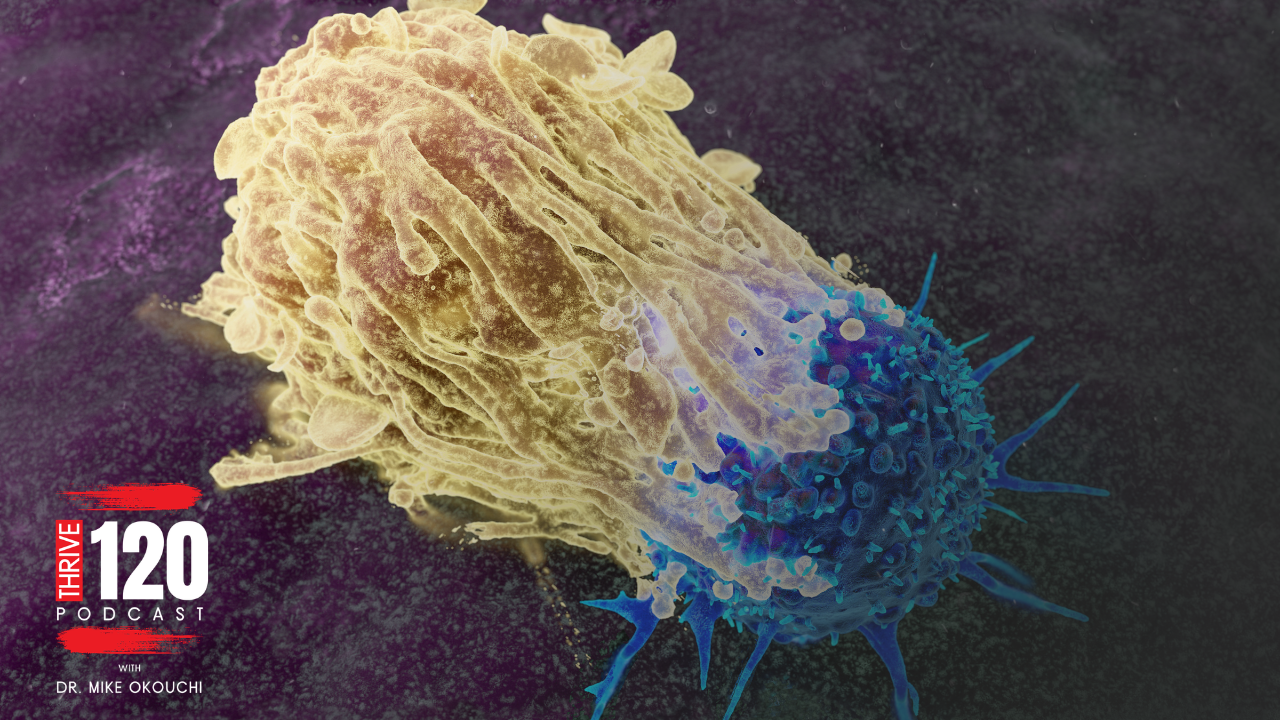
What if I told you that cancer cells are sugar addicts? That they're so hooked on glucose, we can literally light them up on medical scans because of their insatiable appetite? This isn't science fiction—it's a quirk of cancer biology that's reshaping how we think about prevention and treatment.
Cancer's Dirty Little Secret
Here's something wild: your healthy cells are energy-efficient machines. They extract about 36-38 units of energy (ATP) from each glucose molecule through a sophisticated process called oxidative phosphorylation. It's like getting maximum mileage from every drop of fuel.
Cancer cells? They're energy wasters. They use a primitive process called glycolysis that squeezes out only 2 ATP per glucose—about 18 times less efficient. And here's the kicker: they do this even when there's plenty of oxygen available. A scientist named Otto Warburg discovered this bizarre behavior back in the 1920s, and researchers are still unpacking why.
The answer turns out to be clever, in a sinister way. Cancer cells aren't optimizing for energy—they're optimizing for growth. Glycolysis might be inefficient for producing ATP, but it's a goldmine for producing the raw materials needed for rapid cell division: DNA building blocks, proteins, and cell membranes. It's like choosing a hardware store over a gas station when you're trying to build a house as fast as possible. PET scans exploit this glucose-guzzling behavior by tracking radioactive sugar as it gets vacuumed up by tumors.
The Blood Sugar Connection: More Than Just Fuel
Now here's where your diet enters the picture. People with type 2 diabetes have significantly higher rates of liver, pancreatic, endometrial, colorectal, breast, and bladder cancers. At first glance, you might think it's simple: more blood sugar means more fuel for glucose-hungry cancer cells. But the real story is far more interesting—and more concerning.
When you chronically eat too much sugar and refined carbs, your blood glucose spikes repeatedly. Your pancreas pumps out insulin to handle it, but over time, your cells become numb to insulin's signals. So your pancreas produces even more, creating a state called hyperinsulinemia—persistently high insulin levels coursing through your bloodstream.
Here's the problem: insulin isn't just a glucose key. It's also a growth signal. Insulin activates a cellular pathway called PI3K/AKT/mTOR—think of it as your cells' "grow and multiply" switch. Chronic insulin exposure keeps hitting this switch, telling cells to divide and blocking the self-destruct program (apoptosis) that would normally eliminate damaged cells.
But wait, there's more!
Insulin also boosts levels of insulin-like growth factor 1 (IGF-1), which flips many of the same growth switches. High IGF-1 is linked to breast, prostate, and colorectal cancers. Many tumors even overexpress IGF-1 receptors, essentially installing extra antennas to pick up these growth signals.
The Obesity Factor: Your Fat Is Talking, and Cancer Is Listening
Obesity is the 800-pound gorilla in the room—the most significant modifiable risk factor linking metabolism to cancer. It accounts for 3-4% of all cancers globally, with strong connections to at least 13 cancer types.
But obesity isn't just about carrying extra weight. Your fat tissue is biologically active—it's essentially an endocrine organ secreting hormones and inflammatory molecules. Visceral fat (the kind that wraps around your organs) pumps out inflammatory cytokines like TNF-α and IL-6. These molecules activate genetic switches that promote cell proliferation and blood vessel formation that feeds tumors.
Inflammation also generates molecular shrapnel called reactive oxygen species that damage DNA, potentially creating cancer-causing mutations. Meanwhile, inflammatory signals handcuff your immune system, preventing it from identifying and destroying abnormal cells.
In postmenopausal women, fat tissue becomes the primary estrogen factory, and elevated estrogen fuels hormone-sensitive cancers. Fat cells also produce leptin, which encourages cell growth, while suppressing adiponectin, which normally acts as a brake on inflammation.
What You Can Actually Do About It
The good news? This metabolic-cancer connection reveals powerful prevention strategies that are entirely within your control.
- Stabilize your blood sugar. Captain obvious thing to start with is limiting refined carbohydrates and added sugars. Then focusing on something like the Mediterranean diet—rich in plants, olive oil, nuts, and fish—exemplifies this approach and is consistently linked to lower cancer risk. You're not just preventing diabetes; you're creating an environment where cancer cells struggle to thrive.
- Move your body. Exercise improves insulin sensitivity, douses inflammation, and helps maintain healthy weight. It also turbocharges your immune system and DNA repair mechanisms. Aim for 150 minutes of moderate activity weekly—that's just 20 minutes a day. Even modest increases in physical activity among couch potatoes yield substantial benefits.
- Consider timing. Intermittent fasting and time-restricted eating create periods of low insulin and glucose, potentially starving cancer cells while allowing healthy cells to adapt. Animal studies show dramatic benefits from caloric restriction, though sustainability matters more than perfection for humans.
- Explore emerging science. Ketogenic diets, which shift your metabolism from glucose to ketones, are being studied as complementary cancer therapies—normal cells handle ketones fine, but many cancer cells struggle. Metformin, a common diabetes drug, activates cellular energy sensors and inhibits growth pathways, showing promise in some studies.
The Bottom Line
The story of metabolism and cancer reveals something profound: your daily choices about food and movement don't just affect your waistline or blood sugar—they're literally shaping the cellular environment where cancer either flourishes or struggles to gain a foothold.
Chronic high blood sugar, excessive insulin, inflammation, and obesity create a welcome mat for cancer. They provide fuel, growth signals, and a suppressed immune system. Cancer cells, in turn, are metabolic opportunists that exploit these conditions.
This isn't about blame or guilt. It's about empowerment. While genetics and environmental factors matter, metabolic health is largely within your control. Maintaining healthy body weight, moving regularly, and eating real food aren't just strategies for preventing diabetes and heart disease—they're some of your most powerful weapons against cancer.
In a world where cancer touches nearly every family, this insight offers genuine hope: many cases may be preventable through the choices we make at every meal and in every moment we choose movement over stillness. Your metabolism isn't destiny—it's an opportunity.
Discover Your Metabolic Bottleneck
After reading about the intricate connections between metabolism and cancer risk, you might be wondering: "Where do I even start?"
The truth is, metabolic health isn't one-size-fits-all. Maybe your biggest issue is blood sugar spikes after meals. Perhaps it's chronic inflammation from visceral fat. Or it could be insulin resistance you don't even know you have yet.
Take our 3-minute Metabolic Health Quiz to identify your #1 metabolic bottleneck—the specific area that's holding your health back and potentially increasing your cancer risk.
You'll discover:
- Whether blood sugar dysregulation is your primary concern
- If insulin resistance is quietly working against you
- How inflammation and body composition are impacting your metabolic health
- Your personalized starting point for metabolic optimization
The quiz analyzes your lifestyle, symptoms, and health markers to pinpoint exactly where to focus your energy for maximum impact. No generic advice—just targeted insights about YOUR metabolism.
Because understanding the science is step one. Taking action based on your unique situation? That's where transformation happens.
Take the Metabolic Health Quiz Now →
3 minutes to clarity. A lifetime of better health.
Stop Guessing. Start Targeting!
You don’t need a faster metabolism; you need a clearer one. Our Metabolic Quiz identifies the exact "clog" in your system—whether it’s stress, sleep, or substrate utilization—so you can stop the overwhelm and start seeing progress.